
WhatsApp family impersonation scams targeting UK users in 2026
Fraudsters are using public Facebook profiles to impersonate family members and friends on WhatsApp, drawing victims into financial scams. How to spot it and report it.
Smishing, vishing and WhatsApp scams targeting UK mobiles
Independent guides to the scams that arrive on UK mobile phones: fake billing texts, suspicious bank calls, missed delivery messages, WhatsApp impersonation and SIM swap. Each guide ends with the right UK report channel (7726, 60599 or Action Fraud) and the consumer's rights under the Payment Systems Regulator scheme.
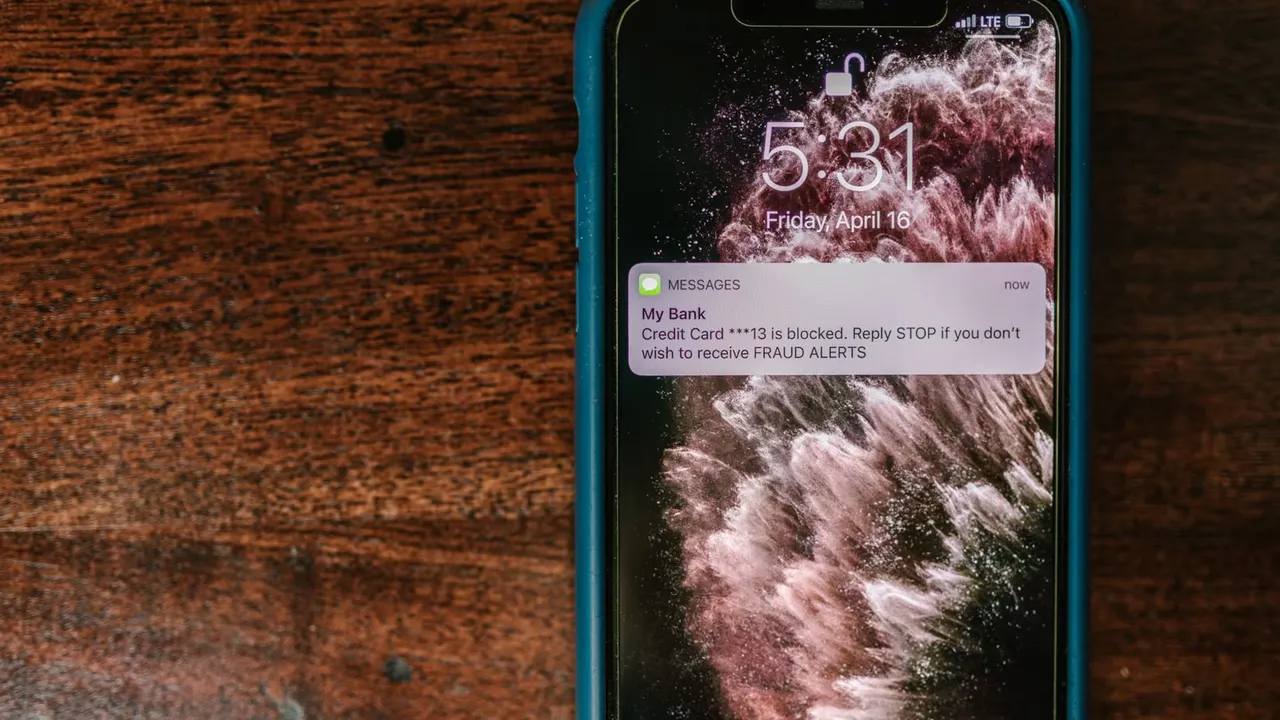
A UK scam uses fake infidelity screenshots sent via WhatsApp or Instagram to pressure partners into paying £100 in Apple gift cards. Here is how it works and what to do.
Fraudsters are using public Facebook profiles to impersonate family members and friends on WhatsApp, drawing victims into financial scams. How to spot it and report it.

Romance scammers in the UK are threatening victims with violence and running elaborate emotional cons without asking for money. Here is what the tactics look like and how to report them.
A scam circulating in the UK uses fabricated infidelity evidence on Instagram to demand Apple gift card payments. Here is how it works and what to do.
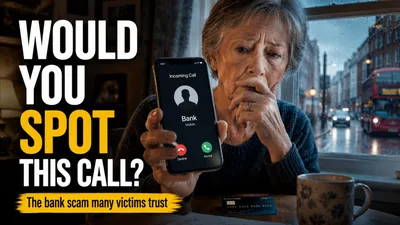
Fake calls from your "bank fraud team" asking you to move money to a safe account are a top UK scam. Here is the script, the warning signs and your right to reimbursement.
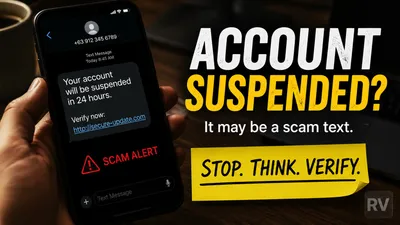
Fake Vodafone billing and refund texts are surging across the UK. Here is what the messages look like, what the scammers actually want, and how to report and protect yourself.
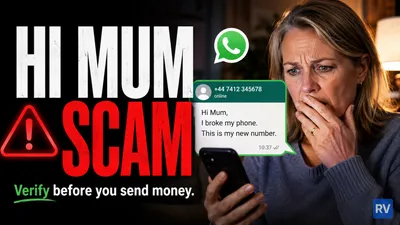
The "Hi Mum" WhatsApp scam targets UK parents and family members with urgent messages from a "new number". Here is how the scam works, the AI evolution to watch for, and how to verify.
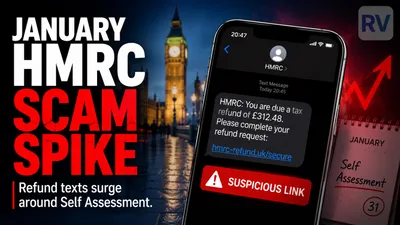
Fake HMRC refund and "tax owed" texts are sent in their hundreds of thousands across the UK. Here is what they look like, what HMRC actually does, and how to report them properly.
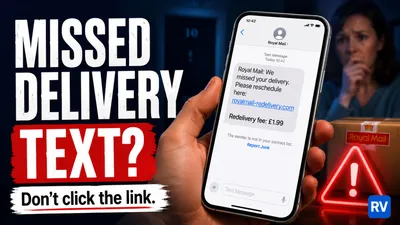
Fake missed-delivery texts pretending to be Royal Mail, Evri, DPD or DHL are now one of the most common smishing campaigns in the UK. Here is what to look for and what to do.
The NCSC has urged that passkeys become the default login method for consumers, calling them more secure and user-friendly than traditional passwords.