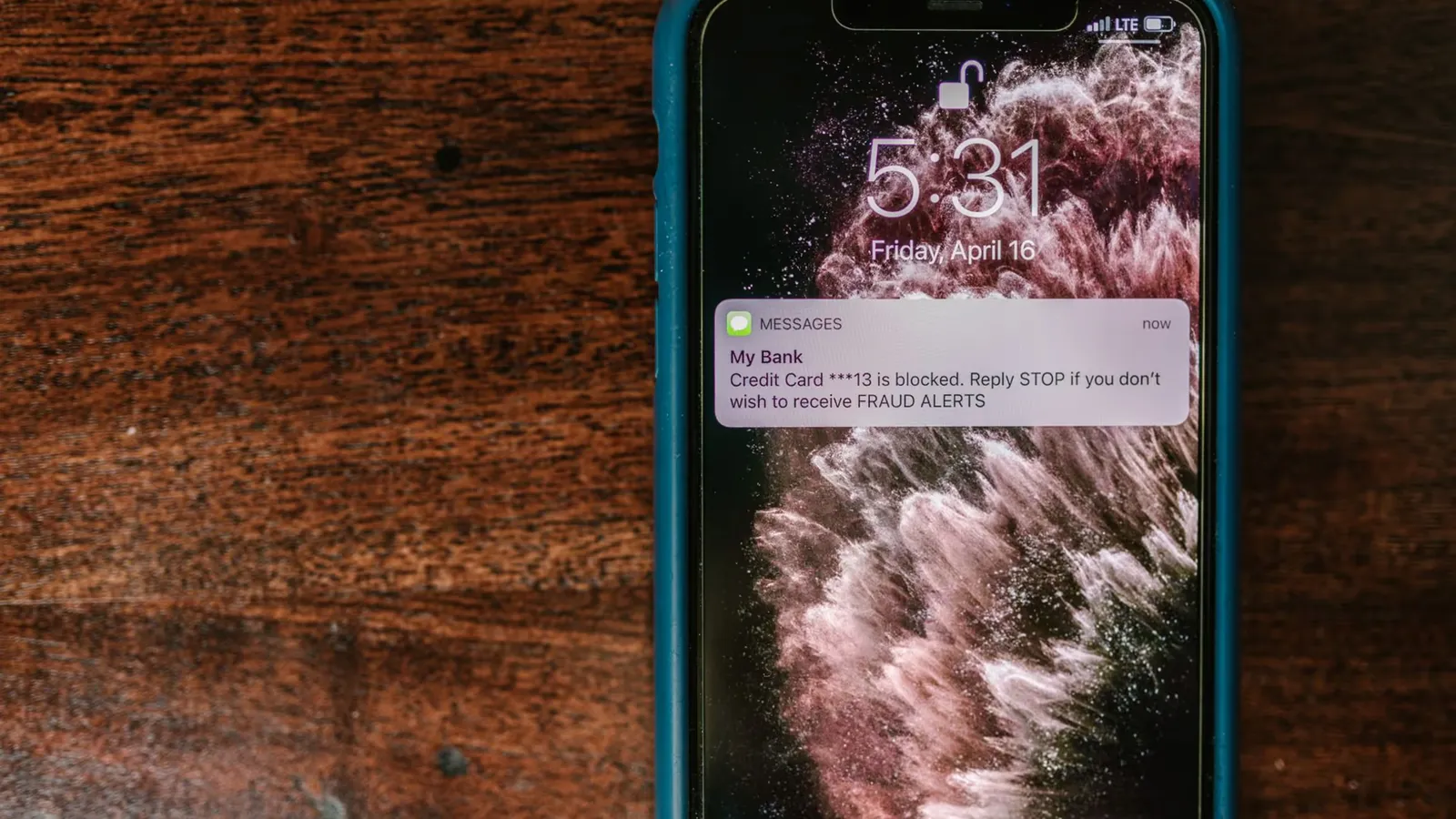
What this scam looks like in practice
A UK resident waiting at home received an unsolicited message from an unknown account claiming to be a woman who had been in contact with their partner on Instagram. The sender provided screenshots of the alleged conversation as apparent proof. On closer inspection, the screenshots were missing basic metadata, including dates, which is a common indicator of fabricated content.
The scammer then claimed she also held a video call recording and offered to share it for £100, payable exclusively in Apple gift cards.
The victim did not pay. They shared the account on r/Scams in May 2026 to warn others about the method.
How the social engineering works
This scam belongs to a category of emotional manipulation fraud sometimes called sextortion-adjacent or relationship extortion. It does not require any real access to a device or account. The scammer needs only three things: your contact details, the name or profile of your partner, and a willingness to fabricate evidence.
The sequence typically runs as follows:
- The scammer contacts one partner, posing as a third party with damaging information.
- Fake screenshots or edited images are provided to establish apparent credibility.
- A payment demand follows, almost always in a method that is difficult to trace or reverse, such as Apple gift cards, Google Play codes, or cryptocurrency.
- If the target hesitates, the scammer increases pressure by threatening to send the material to friends or family.
Citizens Advice notes that pressure to act quickly and requests for unusual payment methods such as gift cards are among the clearest warning signs that a message is a scam.
Why Apple gift cards are the payment method of choice
Apple gift cards are requested so frequently in UK scams that Action Fraud has specifically warned consumers about the pattern. The reasons are straightforward: once a gift card redemption code has been shared, the funds are effectively gone. There is no chargeback mechanism equivalent to a bank transfer dispute. The codes can be sold on secondary markets almost immediately.
Legitimate organisations, including HMRC, the courts, utility providers, and social media companies, will never ask you to settle a debt or payment using gift card codes. If a message demands payment this way, it is a scam.
How to spot fabricated screenshots
The victim in the case above noted that the screenshots lacked dates. This is a reliable red flag. Authentic screenshots from Instagram, WhatsApp, or any major messaging platform will include:
- Timestamps on individual messages
- A consistent profile picture and username at the top of the screen
- Platform-specific interface elements such as the status bar and notification icons
- Matching screen resolution and font rendering
Screenshots produced by editing tools often miss one or more of these elements. Zooming in on the interface borders, the font rendering, or the metadata fields near message bubbles can reveal inconsistencies within seconds.
If you have legitimate access to your partner’s account, as the victim above noted they did, you can cross-reference the alleged conversation directly.
What the NCSC says about responding to unsolicited threat messages
The National Cyber Security Centre (NCSC) advises that the correct response to any unsolicited message making threats or demands is to stop engaging immediately, avoid clicking any links in the message, and report it through official channels.
Engaging with the scammer, even to deny the claims, confirms that your number is active and monitored. This can lead to escalated contact or the details being sold to other fraudsters.
How to report this scam in the UK
If you receive a message of this type, the following official reporting routes are available:
- Forward the message to 7726 (free on all UK networks): This shortcode, operated by Ofcom and supported by the NCSC, allows mobile users to report suspicious texts and WhatsApp messages directly to their network provider for investigation.
- Report to Action Fraud online or by phone: Visit actionfraud.police.uk or call 0300 123 2040. Action Fraud is the UK’s national reporting centre for fraud and cybercrime.
- Block and report the sender within WhatsApp or Instagram: Both platforms allow users to report accounts directly. This helps the platforms identify and remove scam accounts faster.
- Tell your bank if you have already paid: If you bought and shared a gift card code, contact your bank immediately. Recovery is not guaranteed but some banks may be able to assist depending on how the purchase was made.
You do not need to feel embarrassed about reporting this. Scammers target people precisely because they expect silence.
What to do if a partner or family member receives this message
The scam is designed to introduce doubt and silence. The most effective counter is simply to talk about it openly with the person allegedly named in the message. Because the evidence is fabricated, a direct conversation will usually resolve any uncertainty immediately.
If someone you know has already paid, encourage them to report to Action Fraud and contact their bank. Victims should not assume there is nothing to be done. The Citizens Advice consumer helpline can also provide guidance on next steps.
For broader context on scams targeting UK mobile users, see the Mobile scams hub.
No personal or financial details should ever be shared with an unsolicited contact. Legitimate parties will not demand gift card payments, and no social media platform will authorise a third party to sell you access to another user’s private messages.
Comments
0 comments
Loading comments…